

Why Your Desk Job is Secretly Sabotaging Your Recovery (And How to Fix "Tech Neck" in Dublin 2)

For the tech professionals and office workers navigating the busy streets of Dublin 2, long hours at a desk have become the norm. But while you’re optimizing your workflow and crushing deadlines, your body might be paying a hidden price.

Neck stiffness, recurring lower back pain, and "tech neck" aren't just minor inconveniences you should push through. They are structural issues that directly impact your overall health, sleep quality, and daily performance.

The structural impact of 'Tech Neck'. Source: Primal Pictures
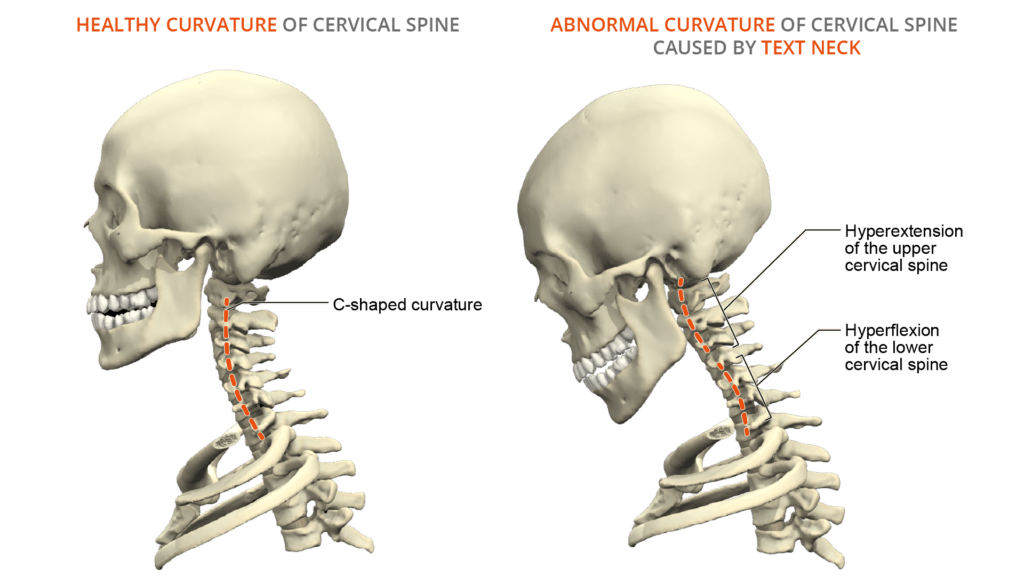


The Anatomy of "Tech Neck"

When you lean forward to look at a laptop screen or hunch over your phone, the weight of your head effectively doubles or even triples. This places an enormous, sustained strain on your cervical spine and the supporting muscles in your neck and shoulders.

Over time, this forward-head posture forces your body to build compensatory muscle patterns. The muscles in your chest become tight and shortened, while the muscles in your upper back become overstretched and weak. This imbalance is the root cause of the burning pain between your shoulder blades and the tension headaches that often hit by 3:00 PM.

Beyond the Ache: How Posture Impacts Your HRV

Many professionals today rely on wearable fitness technology to track their Heart Rate Variability (HRV) and resting heart rate to gauge their recovery. What most don't realize is that chronic postural strain can actively tank those metrics.

When your thoracic spine (upper back) is locked up and your shoulders are rounded, your diaphragm cannot fully expand. This leads to shallow, upper-chest breathing, which subtly signals your body to remain in a state of low-grade stress (activating the sympathetic nervous system). By correcting your posture and freeing up your ribcage, you improve your breathing mechanics—which can directly improve your HRV and help you get more restorative sleep.

3 Quick Desk Hacks for Immediate Relief

Before relying on painkillers, try implementing these basic ergonomic shifts at your workstation today:

  1. The 20-8-2 Rule: Sitting perfectly still for eight hours is hard on your body, even with a great chair. For every 30 minutes, aim to sit for 20 minutes, stand for 8 minutes, and walk or move for 2 minutes.

    APICO PAIN MANAGEMENT


  2. Elevate Your Monitor: Your eyes should naturally fall on the top third of your screen without having to tilt your head down. If you work primarily on a laptop, a stand and a separate wireless keyboard are non-negotiable for spinal health.

    Nuffield Clinic


  3. Check Your Angles: Keep your feet flat on the floor, your knees at a 90-degree angle, and your elbows resting comfortably to support the weight of your arms.

  4. Correct vs. Incorrect Desk Ergonomics. Source: LoctekMotion
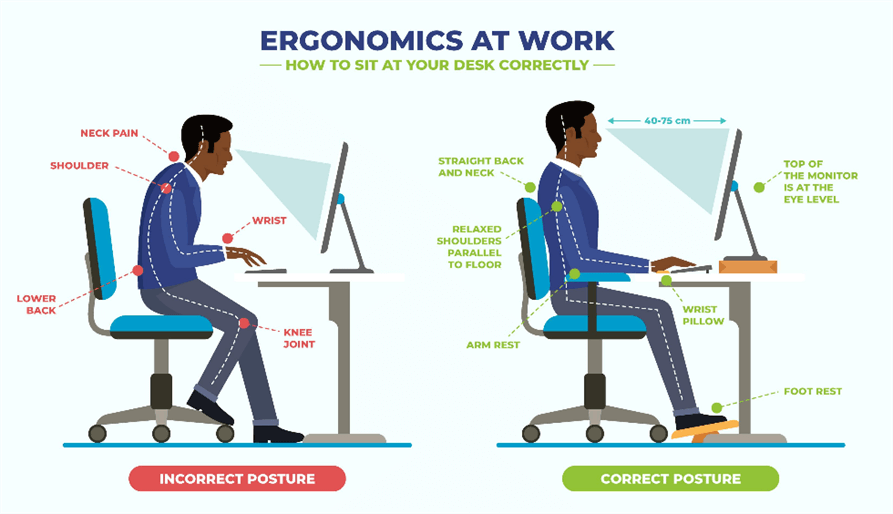
The Complete Recovery Pathway

While ergonomic adjustments are crucial for prevention, they often aren't enough to reverse years of accumulated structural strain. Once compensatory muscle patterns are locked in, manual osteopathic intervention is often required to break the cycle of pain.

For corporate workers dealing with chronic desk strain, we recommend our Complete Recovery Pathway. This targeted 4-session package (€275) is specifically designed to reset the physical load of daily corporate life:

  • Session 1: A comprehensive biomechanical audit to diagnose structural imbalances, followed by immediate osteopathic intervention for acute relief.

  • Sessions 2 & 3: A combined approach utilizing targeted adjustments and intensive soft tissue release to break down stubborn compensatory muscle patterns.

  • Session 4: Final structural stabilization and the development of a customized preventative protocol to keep you performing at your best.

(Prefer to start with a single visit? Initial consultations are €80, with follow-up treatments at €75).

Step Away from the Desk and Start Healing

You don't have to accept back and neck pain as just another part of the job. Located conveniently at Clifton House on Fitzwilliam Street Lower, Dublin City Osteopath is perfectly positioned for you to step away from your desk and get expert relief right on your lunch break.

Don't delay your recovery—get an accurate diagnosis today and start your journey back to pain-free movement.

Link to Book Your Appointment Now

Is Your Desk Job the "New Smoking"? How to Reclaim Your Spinal Health

It is an unavoidable reality of the modern workday: for many office and tech professionals, the majority of the day is spent locked into a seated position, eyes glued to a screen. While this focused environment is essential for productivity, it takes a severe and compounding toll on your biomechanics and spinal alignment.

In the clinical world, we operate on a very straightforward philosophy: sitting for long periods of time is the new smoking. Prolonged desk work doesn't just cause temporary stiffness; it actively pulls your spine and joints out of their natural alignment, leading to chronic discomfort and restricted mobility.

The Physical Toll of the Sedentary Workplace

When you sit for hours on end, your body adapts to that position. The hip flexors shorten and tighten, the shoulders round forward, and the upper back overstretches. Over time, your body builds compensatory muscle patterns to deal with this structural imbalance. What starts as a minor ache in your neck or a dull throb in your lower back is actually your body signaling that its structural integrity is compromised.

Managing temporary pain with quick fixes will only get you so far. Meaningful recovery requires addressing the root cause of these imbalances.

Dublin City Osteopath

Actionable Steps for the Office

While you may not be able to quit your desk job, you can absolutely change how your body handles it. Here are a few immediate adjustments you can make to your daily routine:

  • The Ergonomic Audit: Ensure your monitor is at eye level. Your feet should be flat on the floor, with your knees bent at a 90-degree angle.

  • Mandatory Micro-Breaks: Set a timer to stand up, walk around, and reset your posture every 45 minutes. Movement is the best antidote to static tension.

  • Targeted Stretching: Incorporate simple chest-openers and gentle spinal twists into your day to counteract the forward-hunching posture of keyboard work.

Proactive Osteopathic Care

Recovery is not a one-time event; it is a structured process. To directly support the busy schedules of local corporate workers, we host a dedicated monthly posture and back clinic. This provides a focused opportunity to evaluate structural imbalances, catch subtle movement changes, and correct compensatory patterns before they escalate into acute pain.

For those dealing with active discomfort or looking to establish a long-term strategy for their physical health, we have structured our treatment packages to provide clear, actionable roadmaps:

  • The Complete Recovery Pathway (€275): A comprehensive four-treatment package designed to bridge the gap between acute relief and structural correction. We utilize targeted adjustments and intensive manual therapy to break down compensatory muscle patterns, followed by a customized preventative protocol to keep you performing at your best.

  • Spinal Mobility & Maintenance Block (€275): Recovery is only the first step. To safeguard against recurring injuries, this package provides ongoing preventative support to manage the physical load of daily life, keeping your joint mobility and tissue health optimized year-round.

Living with pain is exhausting and disruptive. Don't wait until your discomfort dictates your lifestyle. Getting back to a pain-free life requires an accurate diagnosis, targeted hands-on treatment, and a personalized recovery plan.

Dublin City Osteopath

Visit Us: Take the first step toward lasting relief by visiting our clinic space at Clifton House business Centre, Fitzwilliam Street Lower, Dublin 2.

Peter Best | MSc., BSc. (Hons) Ost. Med., ND, DO Clinical Director & CEO, Dublin City Osteopath

Clinical Insights: Why Biomechanics is the Unsung Hero of Longevity

When we talk about longevity, the conversation usually revolves around nutrition, sleep, and genetics. While these are undeniably crucial pillars of a long life, there is a missing link that dictates not just how long we live, but how well we live: biomechanics.

In clinical practice, we see a distinct difference between lifespan (the number of years you are alive) and healthspan (the number of years you are active, pain-free, and independent). Bridging the gap between the two requires a deep understanding of how the human body moves, absorbs force, and adapts over time.

Here is a closer look at the science of human movement and why optimizing your biomechanics is the ultimate longevity hack.

The Physics of Aging: Tissue Capacity vs. Load

To understand biomechanics in the context of aging, we have to look at a fundamental clinical concept: the relationship between tissue capacity and load.

Every time you take a step, lift a grocery bag, or even sit at your desk, you are applying mechanical load to your muscles, tendons, ligaments, and joints.

  • Load: The physical stress placed on your body by gravity and movement.

  • Tissue Capacity: The maximum amount of stress your bodily tissues can handle before breaking down.

When your movement patterns are misaligned—perhaps due to a previous injury, poor posture, or muscle imbalances—the load is distributed unevenly. Over time, this concentrated stress exceeds your tissue capacity. In clinical terms, this leads to cumulative micro-trauma, cartilage degeneration, and conditions like osteoarthritis.

The Translation: Think of your joints like a bridge. If the cables (your muscles and tendons) pull unevenly, the foundational pillars (your joints) bear the brunt of the traffic. Over decades, that bridge will wear down prematurely. Optimizing your biomechanics ensures the traffic is distributed perfectly.

Three Biomechanical Focus Areas for a Longer Healthspan

Improving your biomechanics doesn't require a medical degree; it requires intention and consistency. Here are three critical areas we focus on clinically to promote longevity:

1. Preserving Joint Centration Joint centration occurs when a joint is in its optimal anatomical position. This allows for maximum surface area contact, reducing wear and tear. When joints are decentered (like a shoulder rolled forward), it creates friction. Maintaining proper posture and mobility keeps joints centered, preserving cartilage for decades.

2. Addressing Asymmetries Early Nobody is perfectly symmetrical, but significant left-to-right imbalances are a fast track to compensation injuries. If your right hip lacks internal rotation, your lower back or opposite knee will inevitably pick up the slack. Identifying and correcting these asymmetries through targeted assessments prevents the "domino effect" of aging injuries.

3. Building Eccentric Strength Most people focus on the lifting (concentric) phase of movement. However, longevity relies heavily on the lowering (eccentric) phase. Eccentric strength acts as your body's braking system, helping you absorb shock during every step. Strong "brakes" prevent the jarring forces that degrade knees and hips over time.

The Takeaway

Longevity is not just about keeping the engine running; it is about ensuring the chassis doesn't fall apart along the journey. By looking at the body through a biomechanical lens, we can predict, prevent, and reverse movement dysfunctions before they dictate our quality of life.

Clinical Advice: Do not wait for pain to be your primary motivator. Proactive movement assessments can identify hidden compensations today, protecting your joints for tomorrow.

Ready to move better and live longer? Reach out to our clinic to schedule a comprehensive movement assessment and start building your biomechanical foundation for longevity.

Beyond Symptom Relief: The Proven Effectiveness of Osteopathic Treatment

When chronic pain disrupts your daily life, finding an effective, long-lasting solution is paramount. For many, traditional approaches can sometimes fall short because they focus on masking symptoms rather than addressing the structural origin of the discomfort. This is where the proven effectiveness of osteopathic treatment makes a profound difference.

Treating the Root Cause, Not Just the Symptom The core philosophy of effective osteopathy is that successful therapy must treat the whole human being, not just individual, isolated parts. There is almost always a structural reason behind the pain you are experiencing. Very often, chronic discomfort stems from the spine and joints being pulled out of their natural alignment due to injury, underlying tension, or the postural demands of modern life.

By focusing on identifying and treating these root causes, osteopathic manual therapy promotes true, lasting recovery rather than temporary symptom management.

Effective Relief for Modern Lifestyles Modern work environments take a severe physical toll on the body. The intense strain of sedentary desk work has led to the realization that sitting for long periods of time is the new smoking. Osteopathic treatment is highly effective at combatting these work-related musculoskeletal issues, as well as sports injuries and general wear-and-tear.

Through highly personalized recovery plans, osteopathy utilizes state-of-the-art, evidence-based techniques. These often include:

  • Gentle, precise spinal re-alignment

  • Targeted joint mobilizations

  • Deep tissue massage and soft-tissue release

Evidence-Based Results for Lasting Mobility Clinical experience and ongoing research consistently support the effectiveness of osteopathic manual therapy, particularly for resolving back pain, neck stiffness, and restricted joint mobility. By drawing from the most effective elements of physical therapy and manual manipulation, this holistic approach achieves meaningful pain relief.

Ultimately, the goal of an effective osteopathic treatment strategy is to provide a prompt, accurate diagnosis and a hands-on approach that restores your mobility quickly—saving you both time and money, and getting you back to the active life you love.

How to Choose the Right Osteopath for You?

Simply put, an osteopath is a person who has been trained to manipulate the muscles, soft tissues, and skeleton. The service of this professional can make a big difference in your overall well-being.

If you need an osteopath, it is important to select one that can proffer the desired solutions. So, how do you choose the right osteopath for you? This guide can help you.

Research

When you are looking to use the services of any professional, the first thing you must do is research. The situation is not different from finding an osteopath. Spend some time learning what an osteopath does and how they do it. This allows you to know what to look for in the best osteopath.

Also, you should research the best osteopaths in your neighbourhood. A simple Google search can show you most of the osteopaths around you. Facebook marketplace is another wonderful place you can visit to find osteopaths.

Get recommendation

Do you know someone who used the service of an osteopath recently? Such a person can recommend a tested and trusted professional for you. Ask the person about their experience with the osteopath. If they are satisfied with the service, you will likely have a good experience too.

If you don’t get recommendations through a friend, family member or acquaintance, you can join Facebook communities in your neighbourhood to ask for recommendations. Many people will be willing to help you.

Make sure you localise your search. For example, if your health condition requires osteopathy in London, you should get a recommendation for an osteopath in this same city.

Learn more about their training

During your research, you should have gotten an idea of the kind of training that an osteopath needs to operate in your area. So, before selecting an osteopath, you need to ascertain they have the right education to take care of your medical needs.

Are they registered practitioners? Do they meet the registration standards for practising in your area? Are they up to date with the latest development in the field? These questions can help you to learn more about the training of an osteopath.

Find out their experience

Although any well-trained osteopath should be able to help you, an experienced one can offer better services. This is because they must have handled similar situations in the past. Consequently, they know the right things to do to help you.

To measure their experience, ask some relevant questions. When did you start offering osteopathic treatment? How many people with my condition have you treated? Make sure the osteopath knows what they are doing.

Read reviews

Have you gotten recommendations about certain osteopaths around you? Did you find some osteopaths during your online research? Don’t rush into selecting anybody. Spend time checking out reviews on the internet.

Google Reviews, BBB, and other platforms provide independent reviews from various customers. Learn about what previous customers are saying about your preferred osteopath.

Pay attention to any red flags raised by multiple previous clients. If everyone has complained about the same thing, you will likely have a similar experience. So, don’t overlook any unusual thing.

Ask about the services they offer

All osteopaths don’t work the same way. While some osteopaths provide all kinds of osteopathic services to deal with various conditions, others focus on some specific services and conditions. As a result of this, certain osteopaths may not be suitable for you.

Before choosing anyone, consider whether they are a specialist or generalist. Regardless of who you pick, be certain they can help you.

Consider location and logistics

To get osteopathic treatment from an osteopath, you will have to visit their office. This is where the consideration of location and logistics comes into the picture. You don’t want to choose an osteopath so that you cannot visit their office comfortably.

What are the things you should consider?

  • The proximity of the osteopath’s office to your home or office

  • The proximity of the office to a car park

  • Availability of stairs

  • Wheelchair accessibility, especially if you are an elderly person or dealing with limited mobility

After doing everything above, you are ready to work with an osteopath to treat your condition. Go with your instinct and experience the best of osteopathic therapy.

Osteopathy as we get older!

As we get older we can become frustrated with the fact that we experience more aches and pains, muscle problems, strains and injuries. This is due to our body losing elasticity and flexibility and its ability to recover quickly from exercise. In the case that these pains seem to come from nowhere for no apparent reason, it may be linked to what I call the end of the ‘reservoir of compensation’ whereby the emotional and physical traumas of life have led to body being unable to cope or compensate. It can feel as if the ‘straw has broken the camels back’ (although this may be in other areas of the body than the back)!
Osteopathic treatment can help you – or older relatives – restore your body’s ‘reservoir of compensation’ so that relapses of the current symptoms and/or further injuries can be prevented. Gentle soft tissue and articulatory techniques may be used amongst others to maintain health, improve mobility, circulation and immune function and reduce joint stiffness so that you can enjoy life to the full.

The British Osteopathic Association (BOA) recommends that, even if you do not consult an Osteopath, you apply these golden rules:

  • Stretch daily to maintain tissue elasticity and joint mobility. 

  • Walk as much as possible to keep circulation healthy and maintain muscle tone. 

  • A daily rest, to recover energy for the rest of the day’s activities. 

  • Wearing trainers can help to reduce wear and tear to the knee and hip joints, and can also help reduce back pain when walking on hard pavements.

All that said, the BOA says that “…pain-killers are not the only solution for the aches and pains associated with ageing. For more permanent relief it is necessary to eliminate the underlying causes of pain, a job for which the osteopath is specifically trained”.

The bridge between physiotherapy and osteopathy

The story of Joris Vork's practice. Discover how physiotherapy and osteopathy can team up for optimal patient care.

As a physiotherapist, you might have noticed that osteopaths have become indispensable in modern-day healthcare. In fact, in many European countries, osteopathy is a legally accredited holistic therapy approach, gaining followers and fans by the day.

However, the role of an osteopath and how they can contribute to a patient’s treatment might not always be clear to every physiotherapist. This is a missed opportunity because, by joining forces, physiotherapists and osteopaths can help their patients even better.

We spoke with Joris Vork, a former physiotherapist turned osteopath who is eager to share his holistic vision of osteopathy. Joris enthusiastically offered valuable insights and practical tips on how physiotherapists and osteopaths can work together even better.


From physiotherapist to osteopath

In 2015, Joris proudly received his physiotherapy diploma and promptly began his career in a private practice. Although he was driven to specialise, the available physiotherapy specialities did not meet Joris’ expectations. However, his interest in osteopathy grew, and in 2016, he started his osteopathy training in Zeist, close to Utrecht. Joris aims to learn as many hands-on techniques as possible and gain even more profound knowledge about the human body. In 2020, he graduated and opened his osteopathy practice in the Southern Netherlands.

Why did you choose osteopathy?

"As a physiotherapist, my view on the human body was, by default, quite region-specific. On the contrary, osteopaths look at the human body and its systems more broadly and holistically, focusing on restoring loss of motion and eliminating its associated complaints. While other disciplines primarily focus on joints, capsules, and muscles, osteopathy also treats the mobility of visceral, neurological, and vascular systems. These systems significantly impact a patient’s mobility and are often the cause of persistent complaints in the musculoskeletal system.

Let’s take a look at bladder or uterine problems, for example. Such problems can lead to sacroiliac issues that a physiotherapist treats as an SI problem. However, these sacroiliac issues can eventually become insoluble due to problems in the patient’s fascia and blood flow. Thanks to the broader approach of an osteopath, I can treat the entire region. It gives me great satisfaction to relieve or even eliminate my patients' complaints in this way. Just like it gives me great pleasure that I, as an osteopath, can mean something for patients with chronic complaints who find no solution elsewhere."

What does an osteopath do exactly?

"As an osteopath, I examine and treat people with complaints of the musculoskeletal system. I engage multiple systems, such as muscles, joints, nerves, organs, blood vessels, metabolism, and embryonic development. Additionally, I play a part in prevention and trauma care by supporting the body during recovery. I also consider aspects like lifestyle and the psyche, as they’re two important aspects with considerable influence on physical complaints."

What do osteopathy and physiotherapy have in common? How do these professions complement each other?

"The musculoskeletal part is the same for both physiotherapists and osteopaths, but because we work in different systems, the conclusions we draw and what we subsequently do with them can differ. Therefore, we can complement each other very well. Where physiotherapists increasingly use a hands-off approach, we work 100% hands-on. Osteopaths strive to improve tissue quality, after which the physiotherapist can guide the patient in increasing load capacity. We are often considered competitors of physiotherapists, but the opposite is true. After an osteopath has created the prerequisites for recovery, the patient usually returns to their physiotherapist for further support."

Do you think you can offer more as an osteopath with a background in physiotherapy than osteopaths without that background?

"I believe that the manual skills you develop as a physiotherapist absolutely add value to the work in osteopathy. In both professions, it is important to palpate well; you only learn that by touching as many patients as possible. As an osteopath, you also deal with a challenging audience, so experience as a physiotherapist is an advantage. Moreover, advising your patients works better when you are older and have gained more (life) experience. The same goes for dealing with the psychological aspects of a treatment."

What are your thoughts on multidisciplinary collaboration?

"I find collaborating with doctors important, but I also see great value in close cooperation between osteopathy, physiotherapy, dietetics, and psychology. These four disciplines go hand in hand, and they should know how they can support each other during the different stages of treatment. I would love to see a more intensive multidisciplinary collaboration because it adds to the quality of care. That's exactly why I have established my practice within the walls of a multidisciplinary clinic, allowing me to work closely with other disciplines."

What do you consider necessary for the future of your profession?

"In the Netherlands, osteopathy is considered as alternative care, but I believe it definitely belongs in a regular care pathway. However, scientifically proving the effect of osteopathy takes a lot of work. When researching physiotherapy techniques for back pain, you can test one or two techniques on patients in an experimental and a control group and then compare the results. Due to our holistic vision and the many different treatment options available, this is much more difficult in osteopathy. Moreover, scientific research into osteopathy needs to be more investigated. Fortunately, more studies are being conducted in countries like Italy and Spain, where osteopathy is a university degree.

Additionally, I’ve noticed that (para)medical professionals often don’t quite know what an osteopath precisely does. And because they don't know, they don't see the added value we can provide. It would be great if our profession became more well-known. Being included in the regular care pathway would help, as it helps distribute patients better and gives everyone involved a better idea of what we can mean for each other."

Your Good posture Guide.

“Working from home” are three words that have dominated our vocabulary and become a part of everyday life for many of us. While this new career set-up comes with some advantages (sleep-ins, super easy commutes, pyjamas as workwear!), it also comes with some distinct disadvantages - namely, the lack of a proper space from which to WFH.

A recent survey carried out by the British osteopathy Association found about 40% of those who work from home are doing so from their bedroom, or even from their bed. The idea of sitting at home on your laptop, perched on your knees, in bed or on the sofa, makes every chiropractor lose sleep!

Recently Craig McLean was interviewed by Healthy Magazine about the “posture pandemic” and the role WFH has played in our increasing spinal issues.

“Craig McLean, chiropractor and founder of Chiro London, believes that two factors were responsible.‘The combination of people working from home and feeling pretty stressed – both have the potential to create an abnormal amount of tension through the neck and shoulders.’

‘If you’re leaning forward, over a laptop, the muscles at the back of your neck have to work overtime just to hold your head up,’ says McLean. Meanwhile, worrying about the health, financial and social impacts of the pandemic might have caused us to tense up through our shoulders, contributing further to any posture issues. And while niggling pain might be a short-term symptom, a poor desk set-up can cause lasting damage over time. ‘The muscles at the front can get quite weak,’ says McLean. ‘Over time, the bones in the upper back get thinner at the front and stay the same height at the back, which creates a hunch.’ Luckily, there are some easy changes we can make to limit lasting damage.’

Click here to read the full article, which features Craig’s tips on how to lessen the impact of WFH on your spine, including how to set-up your work area to improve posture and simple stretches to increase spinal mobility.

14 Benefits of Seeing an Osteopath

When you think of an osteopath, you might only associate them with treating back pain. But there’s so much more to it than that! Osteopaths can help with everything from chronic pain to sports injuries and poor posture. They offer not just quick fixes but long-term solutions too!

1. A Holistic Approach

Osteopaths don’t just focus on bones and muscles. They treat the whole body. They also consider how every system interacts within the body, which is why they treat more than just joints, bones, and muscles.

An osteopathic diagnosis can identify imbalances between different parts of the body, and an osteopath will create a treatment plan to address these issues and help you reach your goals.

2. Non-Invasive Treatment

One of the best things about osteopathy is that it’s non-invasive! You don’t need surgery or medication to treat your aches and pains. Osteopaths will use different techniques to help your body’s natural healing mechanisms, working with you to achieve progress with minimal discomfort.

3. It's Relaxing

Osteopaths provide gentle, relaxing treatments in serene atmospheres. Your osteopath will ensure your session is as stress-free as possible, allowing your body to not tense up against treatment and kick-start healing. During your appointment, you’ll likely lie on the table while the practitioner works on specific areas, helping you breathe deeply and feel cared for.

4. Chronic Pain Relief

Osteopaths often treat chronic back or neck pain and have systems in place to help manage these conditions. Whether it’s trauma, repetitive strain, poor posture, or sporting injuries, osteopathy can target the underlying cause of your chronic pain and provide long-term relief. Osteopathy can be effective for spinal pain, headaches, knee pain, shoulder pain, and more!

5. Improved Sleep Quality

Quality sleep is vital for our health, but lack of it can lead to depression, anxiety, headaches, and weight gain. Inflammation, stress, and poor sleep patterns can make it difficult to fall asleep. Your osteopath will help reduce inflammation and stress, making it easier for you to fall asleep and stay asleep. Research shows that osteopathic manipulative treatment may even play a role in managing sleep-related problems after trauma!

6. Reduced Risk of Injury

An osteopath can help reduce your risk of injury by identifying weaknesses, imbalances, poor stability, and flexibility issues. They’ll address these issues through treatment and exercises, keeping your body strong and resilient and less likely to suffer injuries during physical activity or sports.

7. Manages Posture

Osteopaths can help manage and improve your posture, which is important for your overall health. They’ll identify restrictions and work with you to correct them, ensuring you have good posture for better health!

8. Better Nervous System Functioning

Your nervous system sends and receives signals between your body and brain. An efficient nervous system helps you move faster and more accurately. Osteopaths can help improve your nervous system with exercises and treatments to relieve nerve pressure.

9. Relief from Nerve Compression

Nerve compression is a common reason to see an osteopath. Nerves act like electrical cables, which can cause pain, tingling, and numbness when they’re compressed. Your osteopath will identify the cause, whether it’s injury or something as simple as poor posture. Nerve compression can be caused by a disc bulge pressing on the nerve, which is most common in the neck and lower back.

10. Improved Joint Mobility

If you’re experiencing stiff joints, osteopathy can help. An osteopath will assess your joints, muscles, and connective tissue and perform gentle manipulations and soft tissue massage to help you move again. These techniques help restore the range of motion and reduce pain.

11. Reduced Pain and Tension

An osteopath can help reduce pain and tension in your muscles and connective tissue by manipulating your joints and muscle tissue. Osteopathic techniques can help with conditions all over your body, not just the spine.

12. Stretches Tight Muscles and Fascia

Osteopaths can help with tight muscles and fascia by using their hands to manipulate your soft tissue and stretch areas of tension and pain. This treatment can help with conditions like sciatica, tennis elbow, and plantar fasciitis.

13. Tailored Treatment Plans

You can get a customized treatment plan tailored to your needs with osteopathy. You can choose when and where to have treatments and what your goals are.

14. An overall feeling of well-being

Osteopathic treatment can relieve pain, stress, and anxiety, leading to an overall improved sense of well-being. You’ll likely feel stronger, more flexible, and ready to take on the world!

Conclusion

There are many benefits of seeing an osteopath. In addition to helping you with any issues, they can also help prevent future problems. By educating you on what it means to be healthy and how best to maintain that state of mind, your osteopath can help you get the most out of your life. If you’re interested in learning more or would like an appointment with one, contact us today!

How to Choose the Right Osteopath for You?

Do you need a medical professional to use a non-invasive manual technique to mobilise, manipulate, ad improve your fascial and musculoskeletal system? Are you in need of osteopathic therapy to deal with back pain, poor posture, arthritis, and other related musculoskeletal issues? If yes, you need to consult an osteopath.

Simply put, an osteopath is a person who has been trained to manipulate the muscles, soft tissues, and skeleton. The service of this professional can make a big difference in your overall well-being.

If you need an osteopath, it is important to select one that can proffer the desired solutions. So, how do you choose the right osteopath for you? This guide can help you.

Research

When you are looking to use the services of any professional, the first thing you must do is research. The situation is not different from finding an osteopath. Spend some time learning what an osteopath does and how they do it. This allows you to know what to look for in the best osteopath.

Also, you should research the best osteopaths in your neighbourhood. A simple Google search can show you most of the osteopaths around you. Facebook marketplace is another wonderful place you can visit to find osteopaths.

Get recommendation

Do you know someone who used the service of an osteopath recently? Such a person can recommend a tested and trusted professional for you. Ask the person about their experience with the osteopath. If they are satisfied with the service, you will likely have a good experience too.

If you don’t get recommendations through a friend, family member or acquaintance, you can join Facebook communities in your neighbourhood to ask for recommendations. Many people will be willing to help you.

Make sure you localise your search. For example, if your health condition requires osteopathy in London, you should get a recommendation for an osteopath in this same city.

Learn more about their training

During your research, you should have gotten an idea of the kind of training that an osteopath needs to operate in your area. So, before selecting an osteopath, you need to ascertain they have the right education to take care of your medical needs.

Are they registered practitioners? Do they meet the registration standards for practising in your area? Are they up to date with the latest development in the field? These questions can help you to learn more about the training of an osteopath.

Find out their experience

Although any well-trained osteopath should be able to help you, an experienced one can offer better services. This is because they must have handled similar situations in the past. Consequently, they know the right things to do to help you.

To measure their experience, ask some relevant questions. When did you start offering osteopathic treatment? How many people with my condition have you treated? Make sure the osteopath knows what they are doing.

Read reviews

Have you gotten recommendations about certain osteopaths around you? Did you find some osteopaths during your online research? Don’t rush into selecting anybody. Spend time checking out reviews on the internet.

Google Reviews, BBB, and other platforms provide independent reviews from various customers. Learn about what previous customers are saying about your preferred osteopath.

Pay attention to any red flags raised by multiple previous clients. If everyone has complained about the same thing, you will likely have a similar experience. So, don’t overlook any unusual thing.

Ask about the services they offer

All osteopaths don’t work the same way. While some osteopaths provide all kinds of osteopathic services to deal with various conditions, others focus on some specific services and conditions. As a result of this, certain osteopaths may not be suitable for you.

Before choosing anyone, consider whether they are a specialist or generalist. Regardless of who you pick, be certain they can help you.

Consider location and logistics

To get osteopathic treatment from an osteopath, you will have to visit their office. This is where the consideration of location and logistics comes into the picture. You don’t want to choose an osteopath so that you cannot visit their office comfortably.

What are the things you should consider?

  • The proximity of the osteopath’s office to your home or office

  • The proximity of the office to a car park

  • Availability of stairs

  • Wheelchair accessibility, especially if you are an elderly person or dealing with limited mobility

After doing everything above, you are ready to work with an osteopath to treat your condition. Go with your instinct and experience the best of osteopathic therapy.