
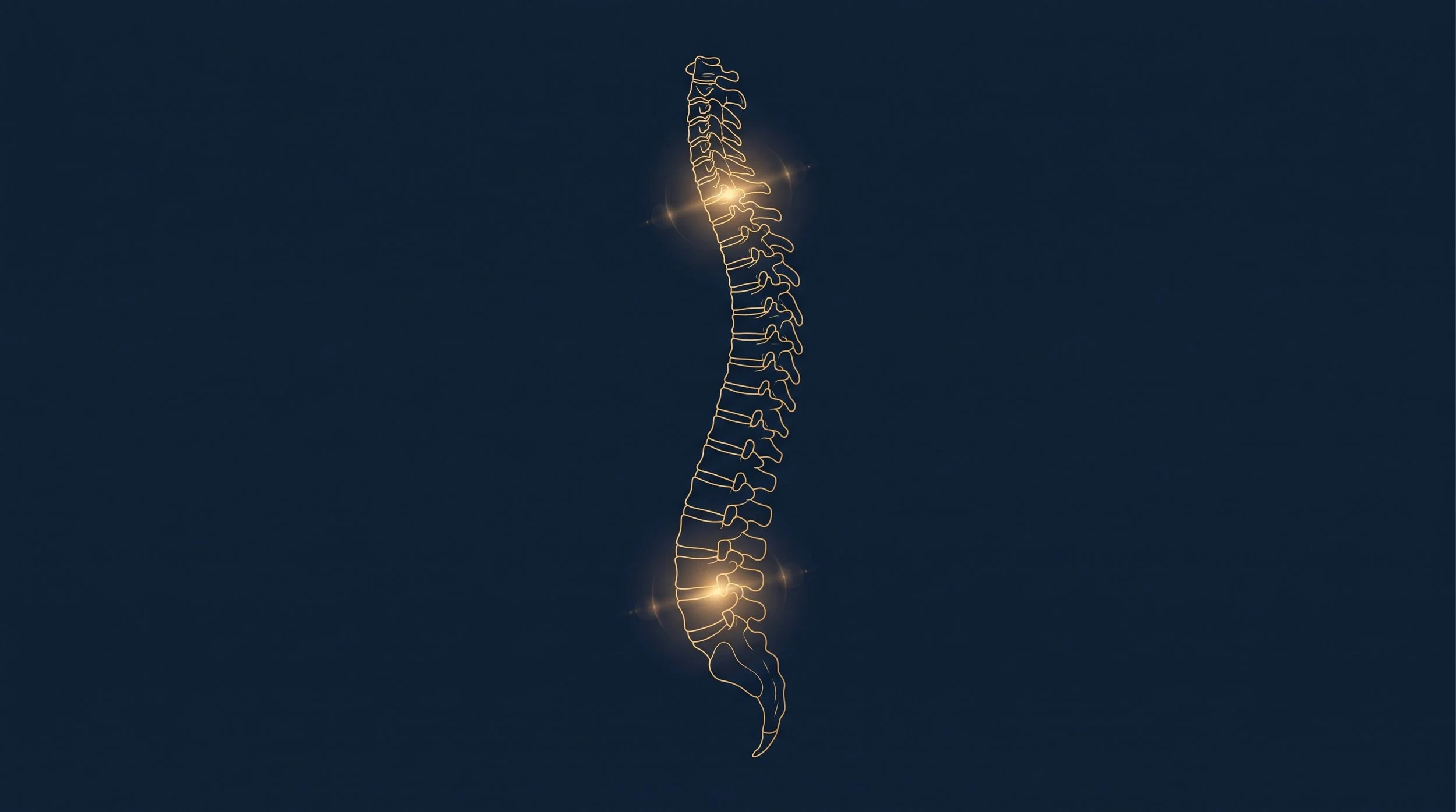
- The Root Biomechanical Problem: Prolonged desk work locks the cervicothoracic junction (C7–T1) and compresses the lower lumbar spine (L4–S1), creating chronic myofascial fatigue and referred pain.
- Why Generic Stretches Fail: Stretching tight muscles without unlocking restricted spinal facet joints only irritates surrounding tissues; mechanical joint restriction requires targeted hands-on mobilization.
- The Osteopathic Advantage: With over 28 years of clinical experience in Dublin 2, Dublin City Osteopath combines structural joint articulation, deep soft-tissue release, and ergonomic load correction for rapid resolution.
- Insurance Coverage: Treatments are recognized by major Irish health insurers including Vhi, Laya Healthcare, and Irish Life Health.
Across Dublin 2’s technology, legal, and financial hubs—from Fitzwilliam Square and Merrion Square down to Grand Canal Dock—prolonged seated posture has become the primary driver of acute and chronic spinal dysfunction. While many professionals dismiss afternoon neck stiffness or a dull lower back ache as normal workday fatigue, these symptoms are early clinical warning signs of mechanical joint overload.
At Dublin City Osteopath, we treat the structural root cause of desk-induced spinal strain rather than masking symptoms. Understanding how static loading alters your spinal biomechanics is the first step toward restoring pain-free movement.
1. The Biomechanics of Desk Strain: Why Your Spine Locks Up
The human spine is engineered for dynamic movement and shock absorption, not eight to ten hours of static flexion. When you sit in front of dual monitors or a laptop screen, four distinct mechanical breakdowns occur simultaneously:
1. Cervicothoracic (C7–T1) Facet Locking
For every inch your head drifts forward toward a screen, the effective load on your cervical spine doubles. This forces the base of the neck (C7–T1) into chronic hyperextension, locking the facet joints and triggering protective muscle spasm across the upper trapezius and levator scapulae.
2. Thoracic Kyphosis & Rib Restriction
Slumping through the mid-back rounds the thoracic spine and restricts rib-cage expansion. Because your neck relies on a mobile mid-back to rotate smoothly, a stiff thoracic spine forces your upper neck joints to overwork, frequently causing cervicogenic (neck-driven) headaches.
3. Lumbar (L4–S1) Disc & Facet Compression
Prolonged sitting flattens the natural inward curve (lordosis) of your lower back, increasing intradiscal pressure at L4–L5 and L5–S1 by up to 40% compared to standing. Over time, this sustained axial load irritates the lumbar facet capsules and sciatic nerve roots.
4. Psoas Shortening & Gluteal Inhibition
Keeping your hips flexed at 90 degrees all day chronically shortens the iliopsoas (deep hip flexor) muscle, which attaches directly to the front of your lumbar vertebrae. When you stand up to walk or run, that tight hip flexor pulls relentlessly on your lower spine.
2. Structural Osteopathy vs. Passive Exercise-Only Care
Many office professionals in Dublin have experienced the frustration of booking an appointment for acute neck or back pain, only to walk out with a printed sheet of rubber-band exercises and zero hands-on relief. When a spinal facet joint is mechanically locked, exercise alone cannot restore joint glide.
| Clinical Dimension | Dublin City Osteopath (Structural Approach) | Standard Exercise-Sheet Model |
|---|---|---|
| Primary Focus | Immediate hands-on joint mobilization, myofascial release, and full-body biomechanical alignment. | Verbal consultation followed primarily by self-directed home resistance exercises. |
| Articular (Joint) Relief | Directly unlocks restricted C7–T1, thoracic, and lumbar facet joints during your session. | Rarely addresses acute mechanical joint locks manually, delaying immediate pain relief. |
| Diagnostic Scope | Evaluates how your pelvis, hips, rib cage, and cranial base interact as a single mechanical unit. | Often isolates only the painful area without correcting compensatory patterns above or below. |
| Workday Practicality | Designed for rapid mechanical reset plus two targeted micro-movements you can do at your desk. | Requires 30-minute daily floor routines that busy professionals rarely sustain. |
3. What Happens During Your Clinical Reset in Dublin 2
Every consultation at Dublin City Osteopath is structured to identify the exact mechanical restriction driving your symptoms and resolve it with precision manual therapy:
Biomechanical & Neurological Audit
We assess your segmental spinal mobility, pelvic alignment, and neurological reflexes to pinpoint whether your pain stems from a facet lock, disc loading, or myofascial entrapment.
Hands-On Osteopathic Manipulation
Using targeted soft-tissue release, rhythmic joint articulation, and precise osteopathic adjustments, we decompress loaded spinal segments and restore immediate range of motion.
Ergonomic & Load-Management Blueprint
You leave with a clear clinical diagnosis and practical, high-compliance desk adjustments so your spine holds its alignment throughout the working week.
Not sure whether your desk stiffness is simple muscular fatigue or an underlying joint restriction? Take our 60-second clinical self-check or book your consultation in Dublin 2 today.